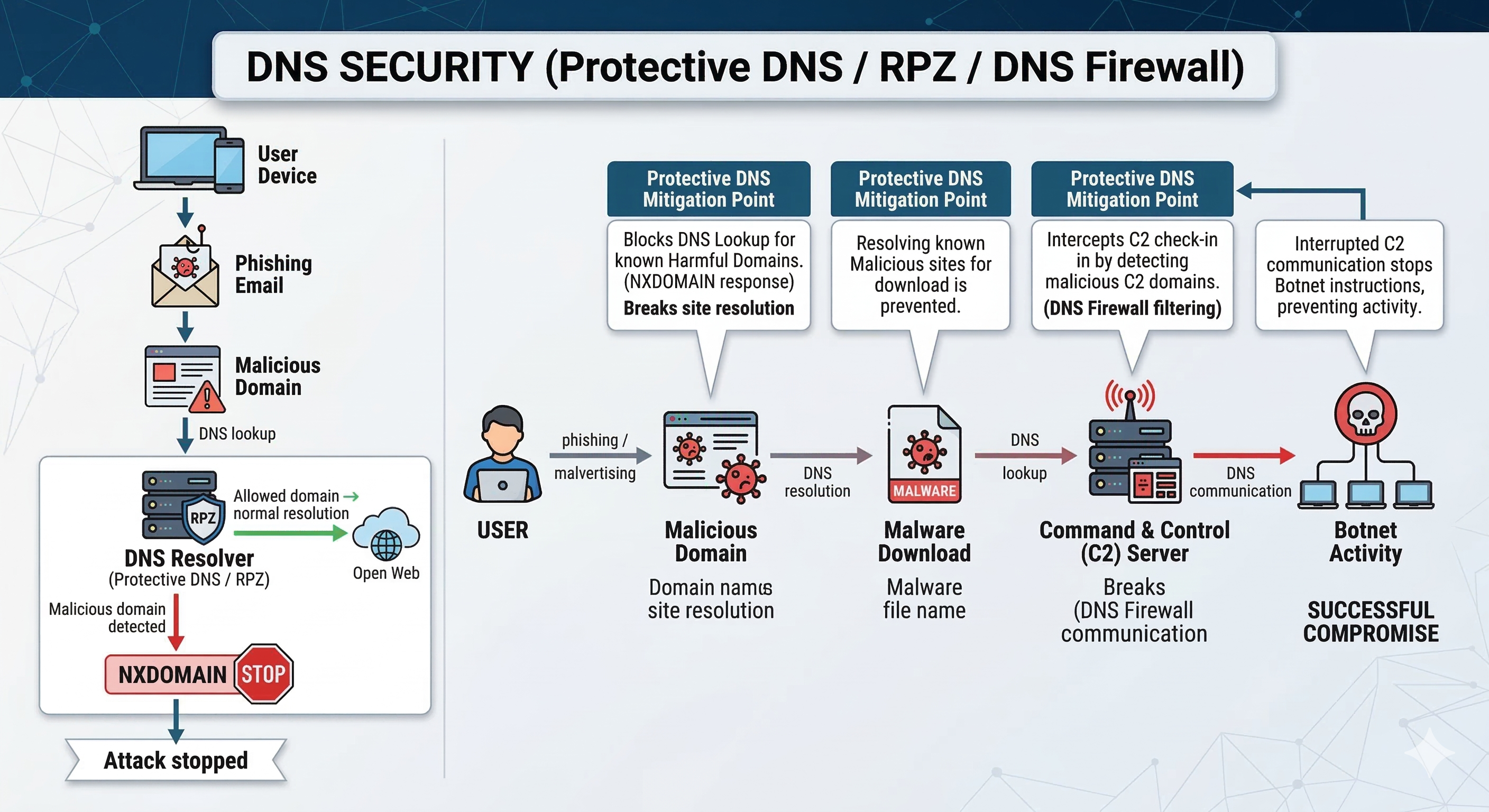
Many cyberattacks rely on DNS to locate malicious domains, download malware, and communicate with command-and-control servers. DNS firewalls can interrupt this attack chain by blocking domain resolution.

Many modern malware campaigns rely heavily on the Domain Name System (DNS) to distribute malicious payloads, redirect victims, and maintain communication with command-and-control servers.
Attackers use techniques such as traffic distribution systems (TDS), domain generation algorithms (DGA), compromised websites and rapidly changing domain infrastructure to evade detection.
The following examples illustrate real malware campaigns and how DNS firewall technologies such as RPZ can block these attacks by preventing the resolution of malicious domains.
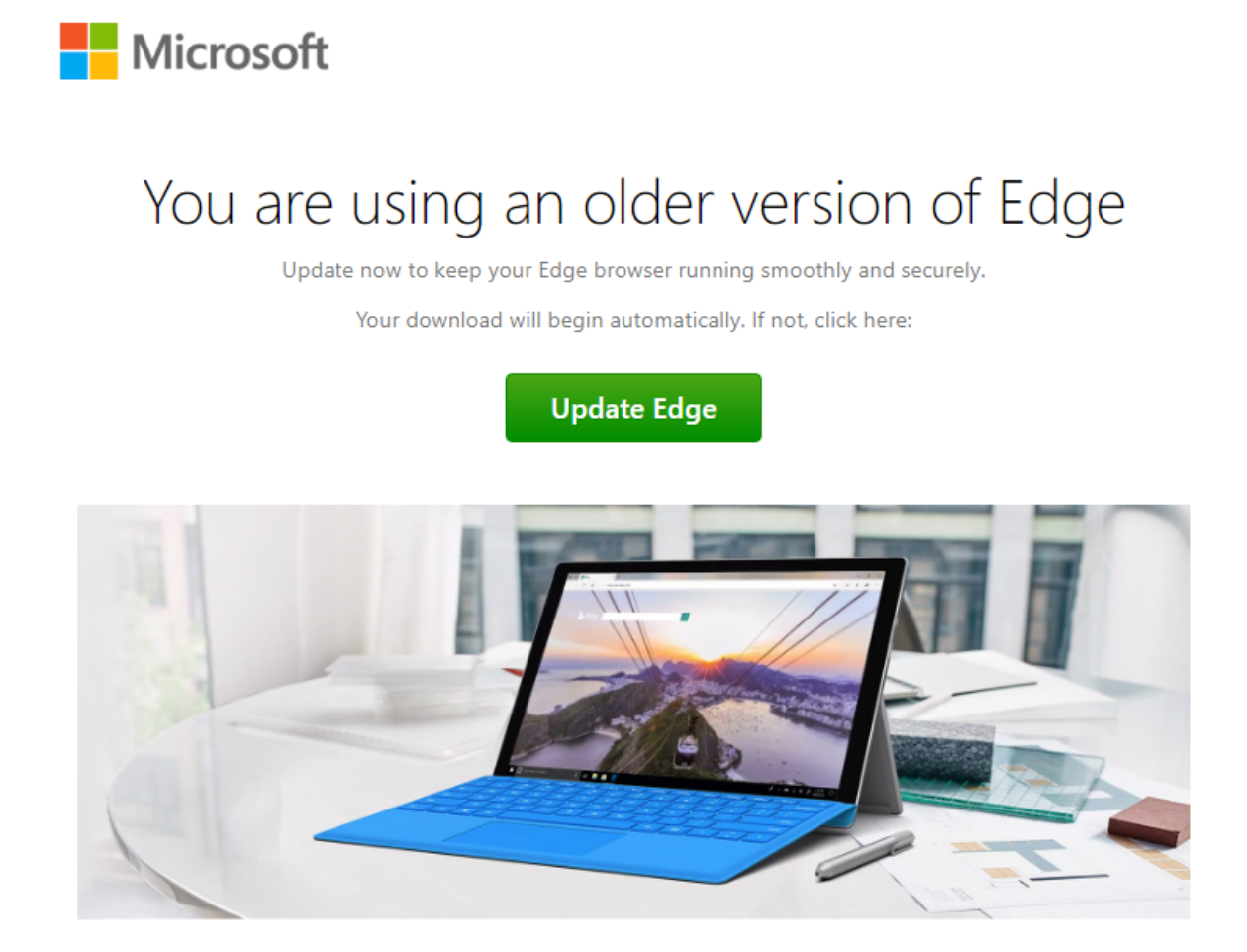
The ClearFake malware, that invites the end user to update Chrome or Edge browser, can be easily mitigated with Planisys RPZ (Response Policy Zones), as part of the Planisys DNS Firewall.
If the users resolve domain names through a regular resolver, they are most likely going be trapped and infected, at least with a downloader.

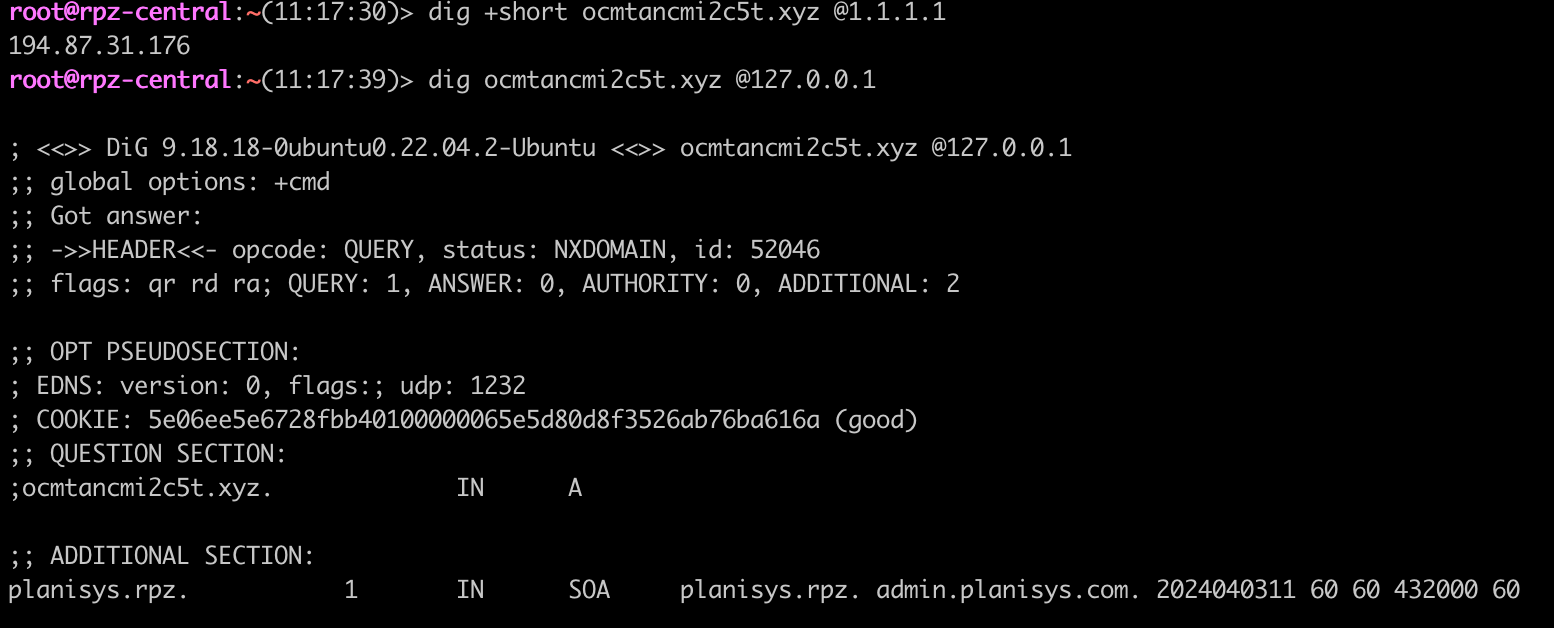
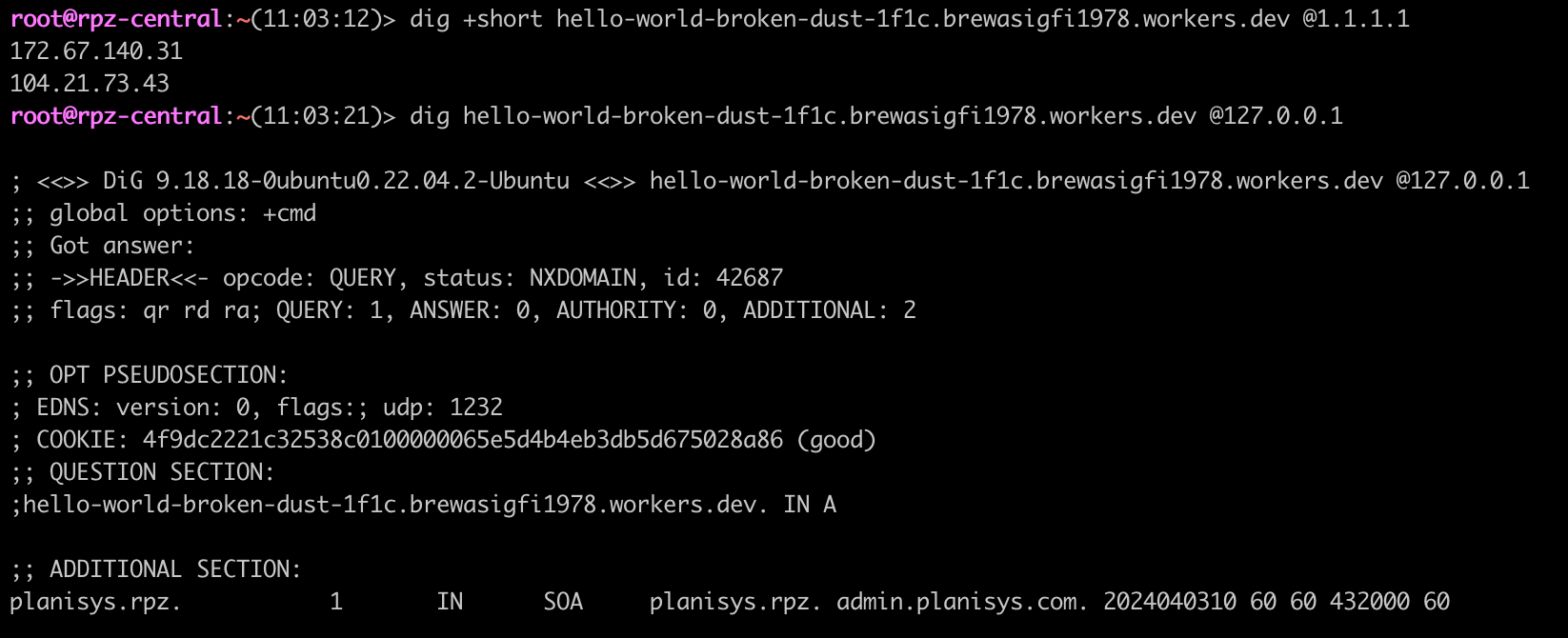
The domains involved are being resolved by public resolvers like e.g. Cloudflare's 1.1.1.1 , but not by Planisys RPZ if you use it as your resolver.

When the users' browsers try to resolve the involved domain names, Planisys RPZ will return NXDOMAIN thus avoiding the trap.

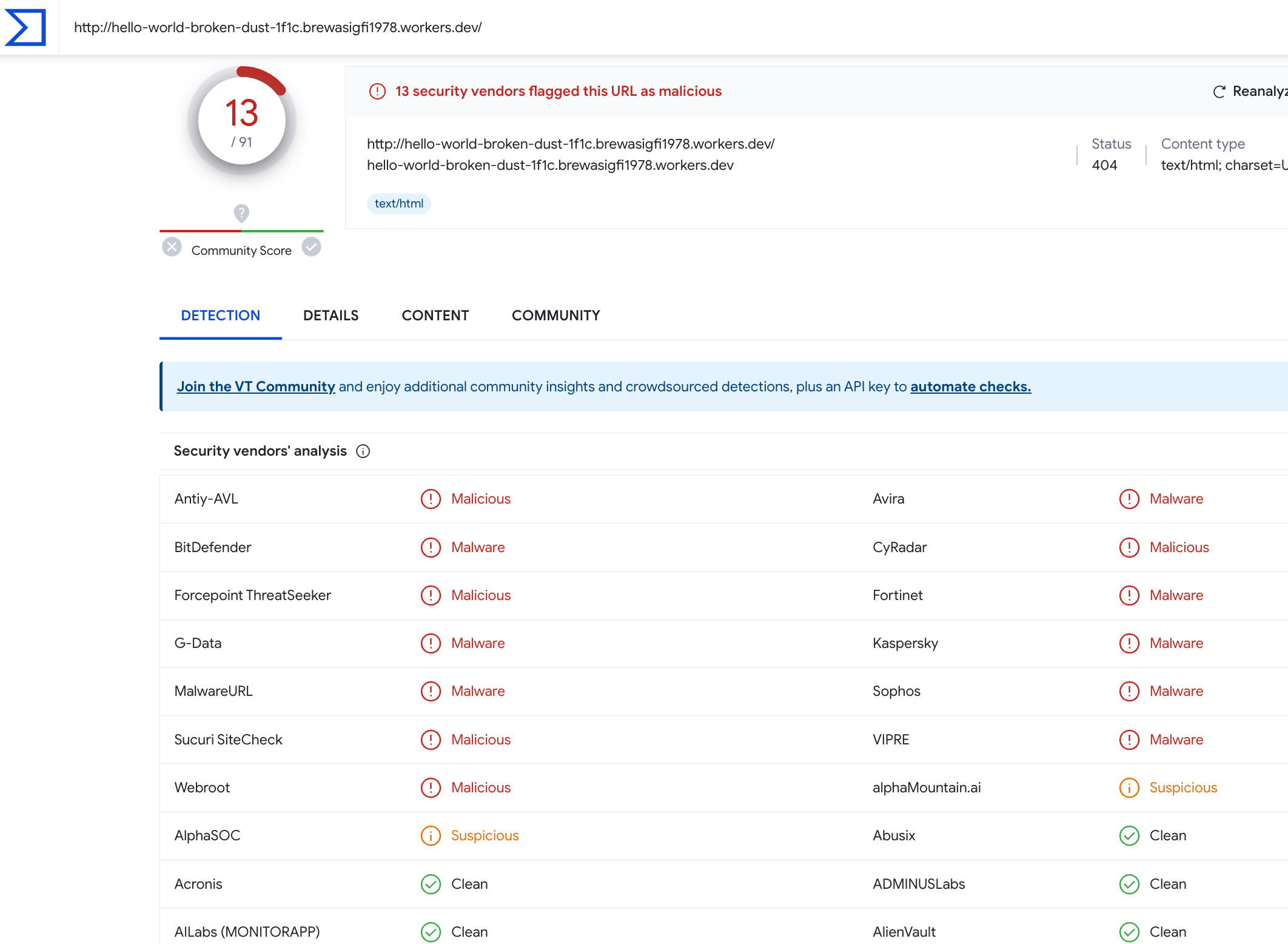
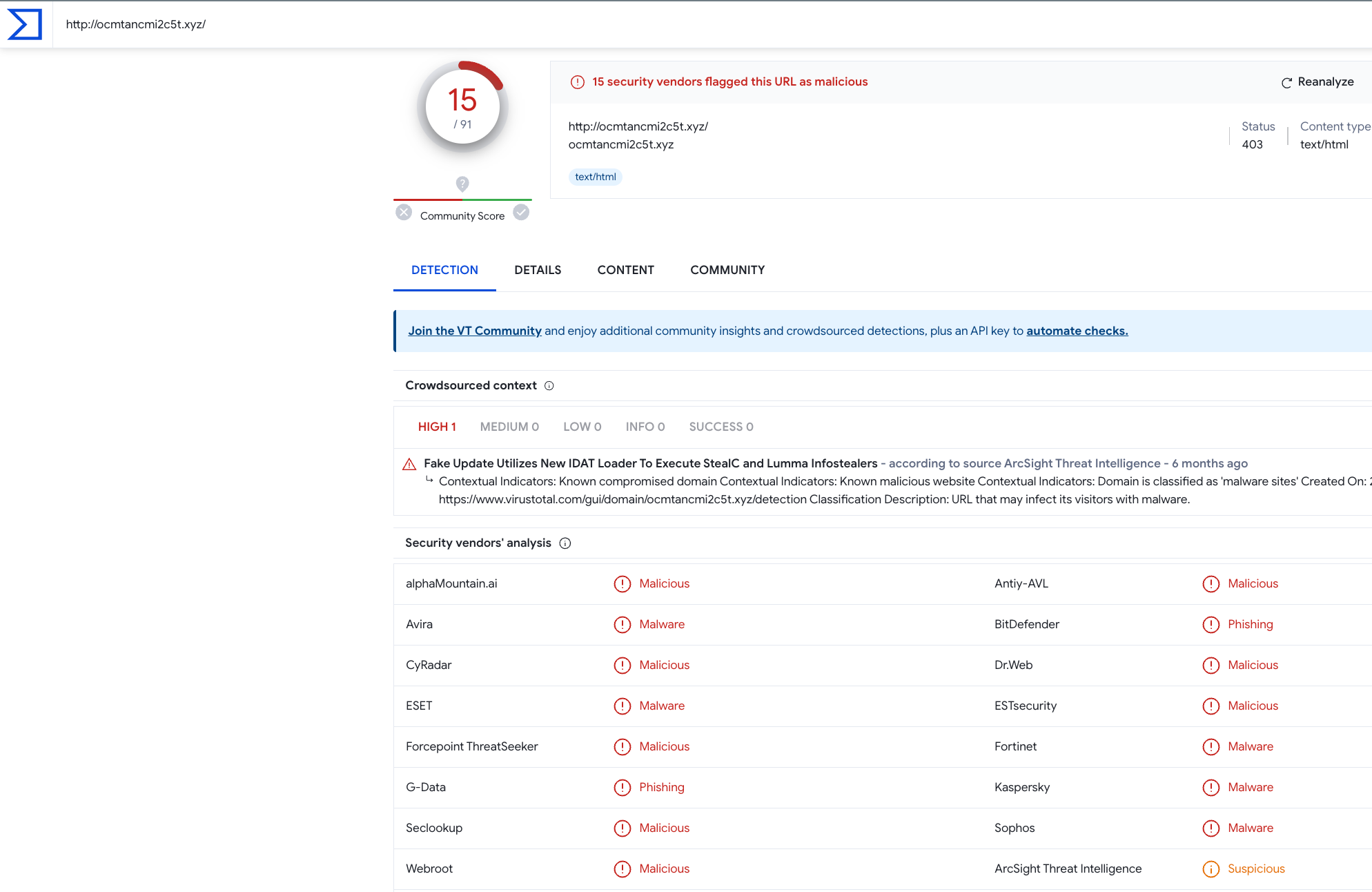
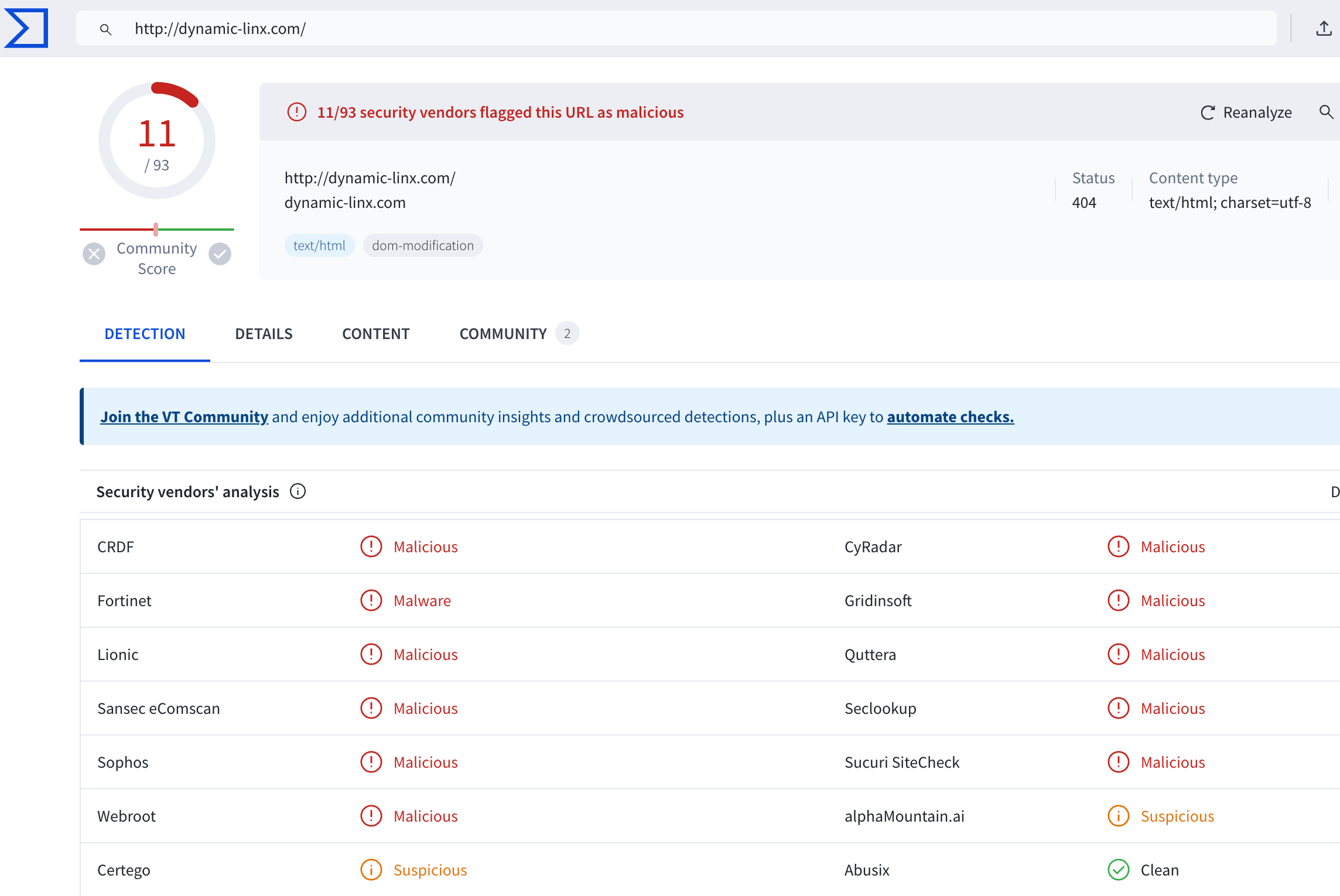
Here are more domains involved in this attack, as detected by VirusTotal:

Please bear in mind that attackers can quickly change the domains where they host their malware, so both Wordpress admin and xmlrpc.php should only be granted access to trusted IPs, which you can perform putting Planisys CDN in front of your Wordpress website.
You can find more information on Planisys Protective DNS here